Autonomous Mobile
Robots
Intellekt Autonomous Mobile Robots (AMRs) are engineered for intelligent movement, spatial navigation, and reliable material transport across dynamic modern facilities and industrial workspaces.
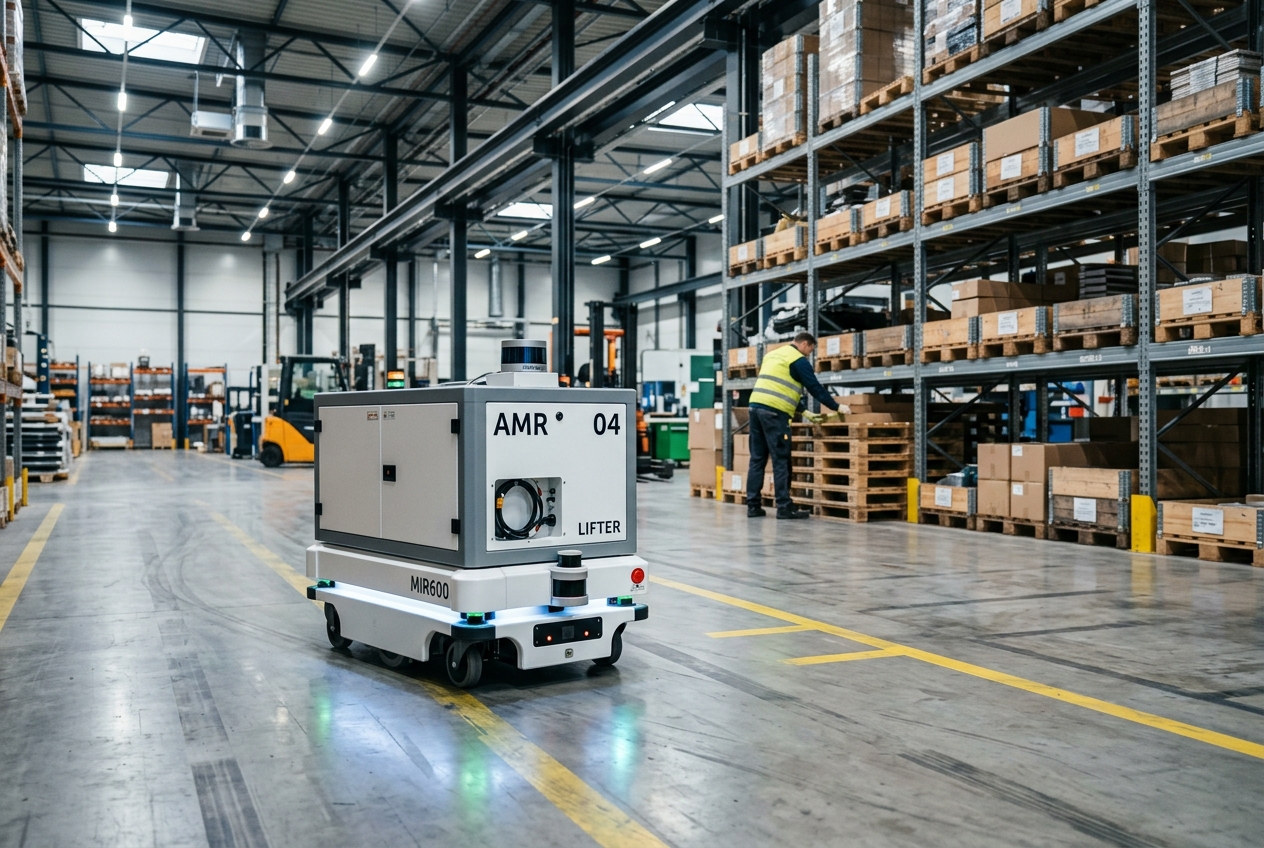
Autonomous Fleet Navigation & Routing
Experience how the AMR platform continuously calculates spatial trajectories, evaluates path clearance, and avoids simulated dynamic obstacles across a facility floorplan.
Trajectory Strategy
Select an autonomous pathing strategy to observe dynamic route recalculation across the simulated workspace.
The Autonomous Navigation Sequence
From perception to physical execution, the Intellekt AMR mobility framework executes a closed-loop spatial intelligence cycle.
SENSE
Sensors capture real-time spatial depth and obstacle points across surrounding workspaces.
MAP
The system builds and updates an accurate continuous understanding of operating facility boundaries.
PLAN
Onboard compute evaluates candidate trajectories to determine an optimal, collision-free movement path.
MOVE
Differential or omnidirectional drives execute smooth acceleration curves along the designated route.
ADAPT
When unforeseen physical obstacles appear, routes automatically recalculate without operational stoppage.
Perception Architecture & Safety Control
Industrial autonomy requires tight integration of multi-layer safety fields, environmental perception, and deterministic motion controllers.
LiDAR & Spatial Perception
Continuous planar laser scanning provides robust contour detection, feature extraction, and centimeter-level localization reference.
Dynamic Safety Zones
Speed-dependent protective fields reduce robot velocity automatically upon approaching workers or transient facility traffic.
Fleet Coordination
Centralized dispatch protocols coordinate traffic rights, intersection management, and job distribution across multiple AMR units.
Autonomous Docking
Optical and magnetic docking guides ensure precision alignment with automatic charging terminals and transfer stations.
Engineered for High-Density Operations
AMR solutions adapt to varied material handling topologies, from warehouse aisles to clean research rooms and manufacturing lines.
Warehouse Material Movement
Automates point-to-point bin transport, tote replenishment, and finished goods transfer between racking zones and dispatch docks, eliminating manual hauling.
Manufacturing Line-Side Logistics
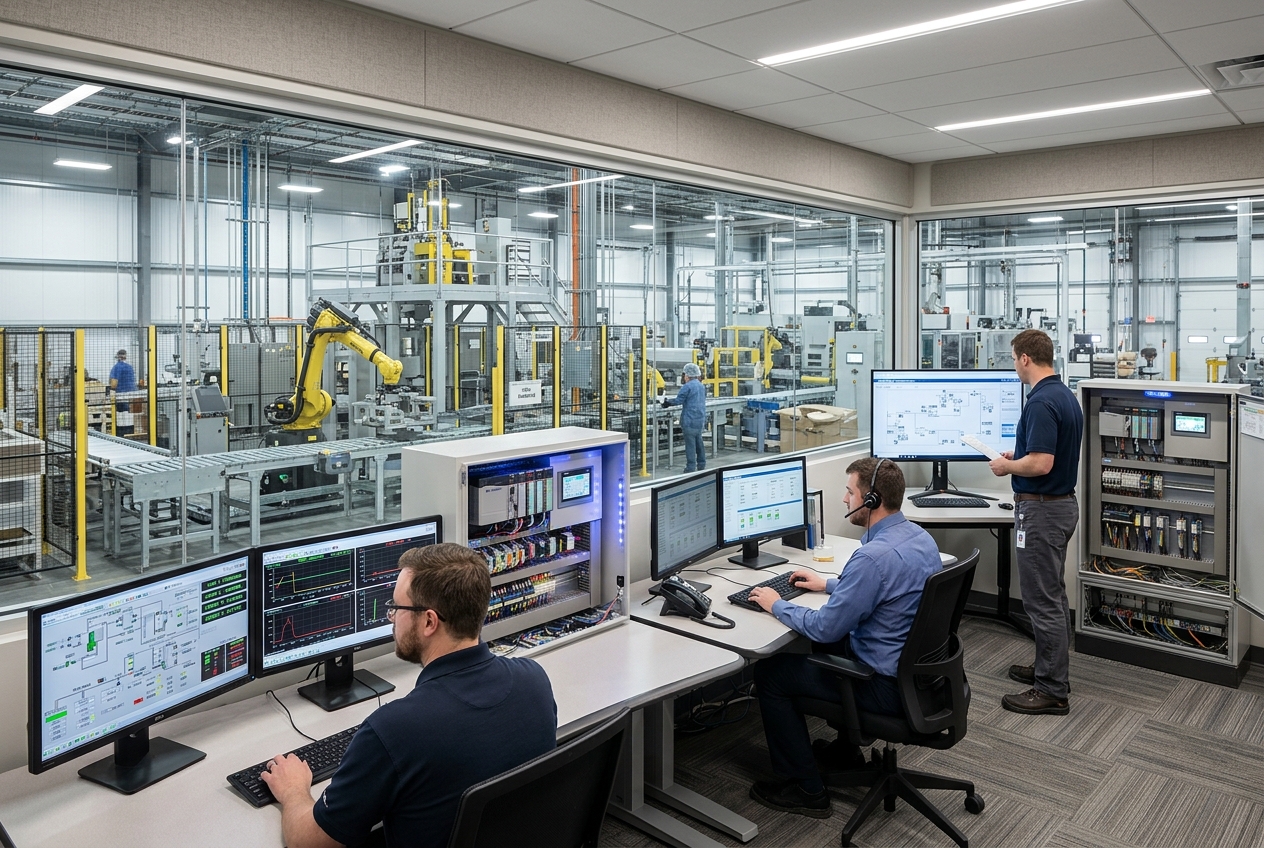
Delivers subassemblies and raw kits directly to workstations on demand, synchronizing with production line cadence and reducing staging floor congestion.
Controlled Internal Transport
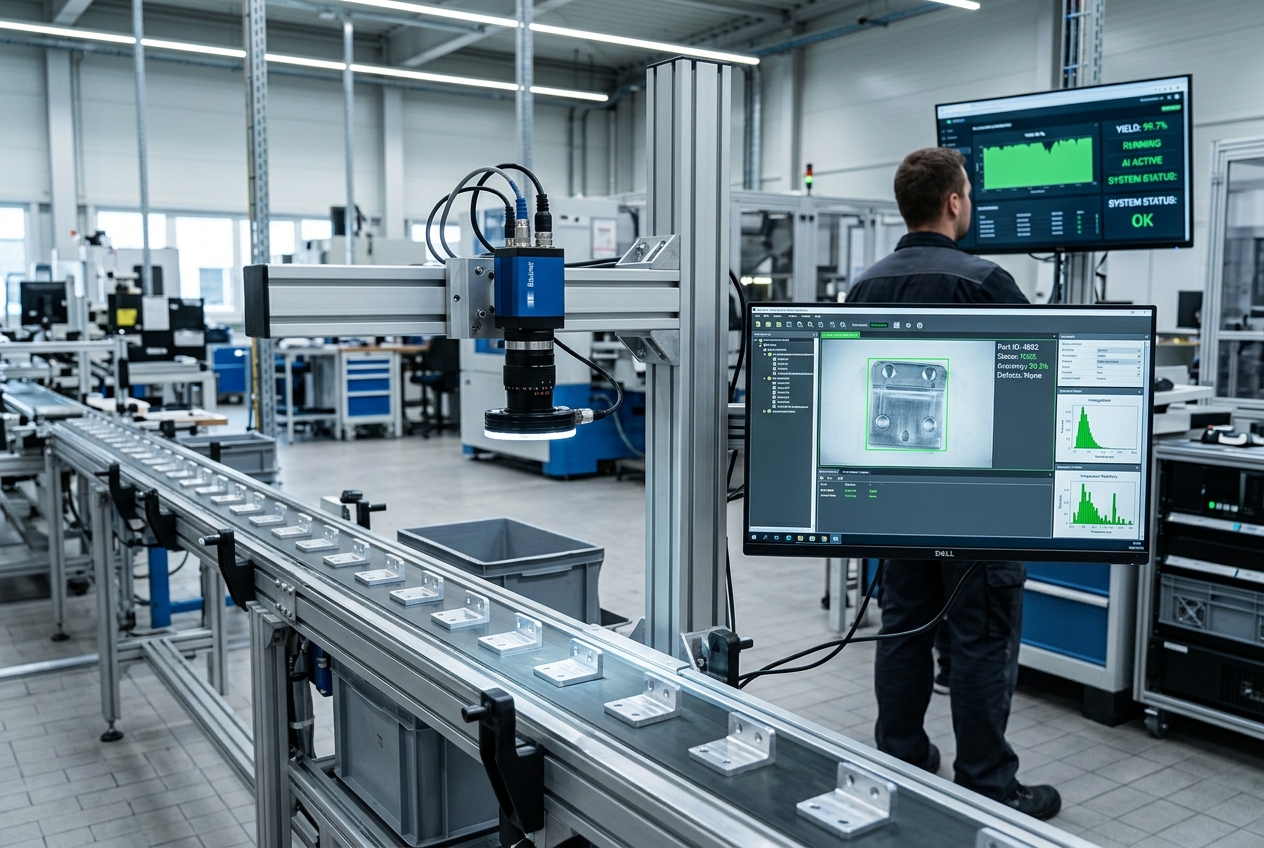
Transfers samples, reagents, and sensitive test carriers through controlled access corridors with steady acceleration and secure containment.
Education & Robotics Research
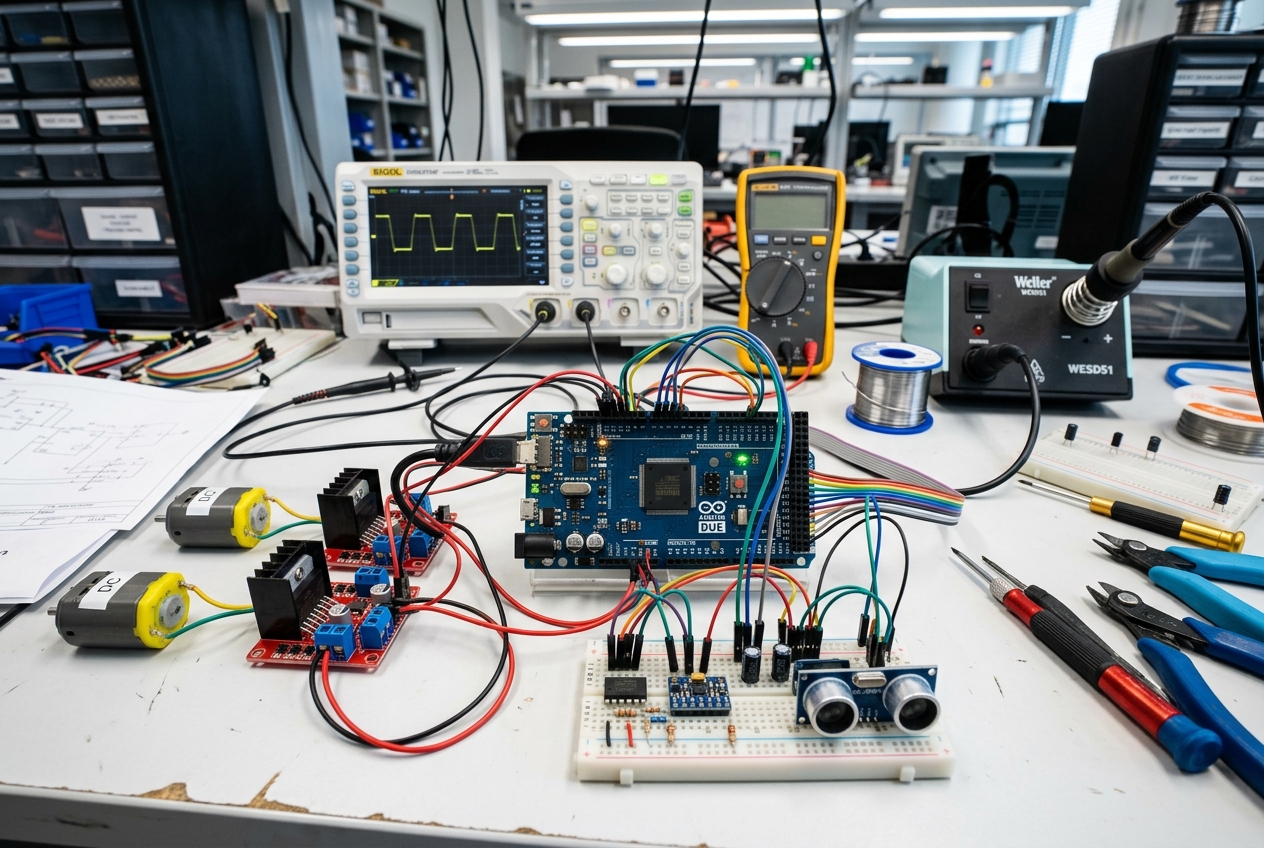
Provides academic programs and robotics engineering labs an open, accessible testbed for studying SLAM algorithms, pathing logic, and autonomous behaviors.
Core Mechanical & Electrical Architecture
An overview of the structural design principles and integration layers foundational to Intellekt mobile platforms.
Accelerate Internal Transport with
Intelligent Mobile Automation
Connect with our engineering team to review facility pathing, simulate fleet integration, or schedule a hands-on robotics demonstration.